
HerballyOrganic was created to bring together reliable, research-informed information on healthy aging, nutrition, nutrient absorption, and long-term wellness in one place.
Rather than presenting new theories or miracle solutions, HerballyOrganic curates and explains established scientific, nutritional, and health research in clear, practical language. The aim is to help readers deepen their understanding of the issues that commonly affect them as they grow older, enabling them to ask informed questions and make thoughtful decisions in partnership with their healthcare professionals.
Why HerballyOrganic Began
The inspiration for HerballyOrganic grew out of my own experience of having a stroke. During my recovery, I realized how little I had understood about the factors that can influence our health over many years, what may have led up to my stroke, and what I might have understood or done earlier to reduce the risk of such an outcome. I also discovered how difficult it can be to find balanced, trustworthy information among conflicting opinions and commercial claims.
That experience began an ongoing journey of learning, researching, and asking better questions—and a desire to share what I was learning so that others might benefit from it. HerballyOrganic grew from that journey, not as a source of original medical research, but as a place where credible evidence can be brought together, examined carefully, and explained in practical language, informed by real-life experience.
The aim is not to tell readers what to think. It is to help them understand the evidence well enough to ask better questions and make more informed decisions.
The information published on HerballyOrganic is provided for educational purposes only and is based on an ongoing review of scientific, nutritional, and health research. It is not intended to diagnose, treat, cure, or prevent disease, nor should it be considered a substitute for professional medical advice, diagnosis, or treatment.
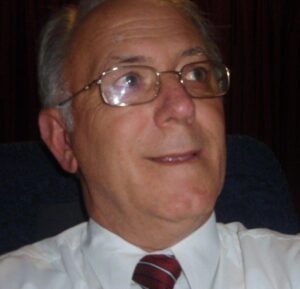
Frank Wallenhoffer
Founder, HerballyOrganic
My Journey
My stroke became the turning point that eventually led to HerballyOrganic. It prompted me to look more carefully at the long-term influences on health, to question assumptions I had previously taken for granted, and to become a more informed participant in conversations about my own healthcare.
I have told that story more fully in “What My Stroke Taught Me About Health, Nutrition, and Asking Better Questions.” It explains not only what happened, but why the experience changed the questions I began asking about prevention, nutrition, healthy aging, and personal responsibility for health.
What You’ll Find Here:
Healthy aging and maintaining independence
Nutrition, nutrient absorption, and nutrient status
Cardiovascular health and prevention
Medications, nutrients, and the whole health picture
Movement, sleep, and other foundations of long-term health
Supplements—what the evidence supports and what it doesn’t
Health claims, misinformation, and how to separate evidence from hype
Better questions to discuss with your healthcare professionals
My Philosophy
I believe good health information should help people understand—not frighten, pressure, or overwhelm them. It should reduce unnecessary fear and instil confidence to take informed action.
Food and healthy living should come first wherever appropriate. Supplements may sometimes have a useful role, but they should complement good nutrition and sound healthcare—not become a substitute for either.
Good evidence matters. So does being honest about what we do not yet know.
HerballyOrganic does not begin with a product, a popular claim, or a predetermined conclusion. We begin with the question, examine the evidence, and follow it wherever it leads.
And above all, I believe people are better equipped to make thoughtful decisions about their health when they are helped to ask better questions.
What Makes This Site Different
HerballyOrganic is not built around chasing health trends or promoting the latest supposed breakthrough.
Its purpose is thoughtful, evidence-informed curation—bringing together credible research, examining competing claims, distinguishing what is well supported from what remains uncertain, and explaining the findings in practical language.
We do not begin with the answer we hope to find.
We begin with the question, examine the evidence, and let the conclusion follow.
The aim is to help readers cut through the noise, ask better questions, and make more informed decisions about their health.
Transparency & Recommendations
HerballyOrganic has no interest in steering readers toward a predetermined product, treatment, supplement, or commercial solution.
When we examine a health claim, our starting point is the evidence—not who is selling it, how popular it has become, or how persuasive the marketing may sound.
Where the evidence is strong, we will say so. Where it is promising but incomplete, we will make that clear. And where a claim is poorly supported, exaggerated, or contradicted by better evidence, we will say that too.
Recommendations, when appropriate, should follow from that assessment—not determine it.
Our loyalty is to the evidence. Our purpose is to serve the reader.
The Principles That Guide HerballyOrganic
Follow the evidence, not the hype.
Distinguish what is well established from what is promising, uncertain, or unsupported.
Explain health information in clear, practical language without oversimplifying it.
Respect the important role of medical care while also examining nutrition, lifestyle, and other influences on long-term health.
Remain open to changing our conclusions when better evidence emerges. HerballyOrganic does not ask readers to take our conclusions on trust. We aim to show how we arrived at them.
What My Stroke Taught Me About Health, Nutrition, and Asking Better Questions
Let’s Start Here:
If you would like to understand why HerballyOrganic exists, my own health experience is probably the best place to begin.
A stroke became a turning point in the way I thought about health. It taught me that important changes can develop quietly over many years—and that understanding what may be happening before a crisis occurs can matter enormously.
It also changed the questions I began asking about nutrition, cardiovascular health, healthy aging, prevention, and the many factors that interact over a lifetime.
I have told that story more fully here:
What My Stroke Taught Me About Health, Nutrition, and Asking Better Questions
My personal journey from an unexpected health event to asking better questions about long-term health.
The Moment Everything Changed
There are moments in life that quietly divide what came before from what follows.
For me, one of those moments came unexpectedly—through a stroke-related event that immediately changed the way I thought about health, aging, and the importance of paying attention to small changes that might otherwise be dismissed.
My wife and I had just finished our usual volunteer activities and returned home after an ordinary day. Everything felt completely normal.
Then, during a conversation, I briefly slurred a few words.
It lasted only seconds.
There had also been a small visual disturbance earlier that day—something I had not thought much about at the time.
Taken separately, neither event seemed particularly significant.
Taken together, they suggested something more serious.
We decided to call an ambulance.
Looking back, that decision may have been one of the most important decisions I ever made.
When Small Signals Lead to Bigger Questions
Medical assessment later revealed that significant narrowing had developed within my carotid arteries—major blood vessels supplying blood to the brain.
The experience was deeply confronting.
What struck me most was not simply the diagnosis itself.
It was the realization that so much had developed quietly, without obvious warning signs.
No pain.
No dramatic symptoms.
No sense that anything serious was happening.
That realization led me toward a different set of questions:
- How can important changes develop silently over time?
- What factors may contribute to long-term vascular health?
- How does aging influence the body?
- What role might nutrition and lifestyle play?
- What can we do proactively moving forward?
Asking Better Questions
Experiences like this often change perspective.
For me, the experience created a desire not simply to learn what happened, but to better understand why health can change as we grow older.
My research gradually expanded into areas such as the following:
- healthy aging
- nutrient absorption
- food quality
- inflammation
- vascular health
- lifestyle patterns
- nutritional awareness
The more I learned, the more I began to appreciate something important:
Health is rarely shaped by one event or one isolated factor.
It is often influenced by the cumulative effects of many smaller things occurring over years and decades.
Understanding Health Beyond Symptoms
One idea that particularly interested me was the possibility that the body can undergo gradual change long before obvious symptoms appear.
Long-term health can be influenced by many interacting factors, including:
- inflammation
- oxidative stress
- metabolic health
- nutrition quality
- lifestyle patterns
- vascular function
For example, antioxidant-rich foods such as
- berries
- leafy greens
- nuts
- colorful vegetables
- pomegranate
have received growing attention because of naturally occurring compounds such as polyphenols and other plant nutrients.
Research in these areas continues to evolve, and many questions remain.
For me, the value has not been finding quick answers.
The value has been learning to ask better questions.
Working in Partnership with Medical Care
One of the most important lessons I have learned is that this journey is not about choosing between medical care and lifestyle awareness.
It is about partnership.
I remain deeply grateful for the doctors, nurses, and healthcare professionals who provided immediate care and continue to guide my treatment decisions.
Medical care plays a vital role.
At the same time, becoming more informed about nutrition, lifestyle habits, and healthy aging has given me a greater sense of understanding and personal involvement in my own health journey.
For me, these two approaches do not compete with one another.
They complement one another.
Small Changes, Ongoing Awareness
As part of my own response, I have tried to become more intentional in everyday choices.
This includes:
- paying closer attention to food quality
- learning more about nutrient awareness
- maintaining consistency in daily habits
- becoming more thoughtful about long-term wellness
These are not presented as solutions or guarantees.
They simply reflect my ongoing commitment to understanding and supporting my health as I move forward.
A Broader Perspective on Aging
This experience reinforced something I had not fully appreciated before:
Healthy aging is rarely determined by one decision.
More often, it reflects the accumulation of many choices, habits, environmental influences, and biological changes over time.
As we grow older, changes can occur in metabolism, digestion, circulation, and the way certain nutrients are absorbed and used by the body.
Understanding these changes earlier may help us become more proactive rather than reactive.
Not fear.
Awareness.
Final Reflection
If there is one lesson I have taken from this experience, it is this:
Awareness matters.
The ability to notice change, ask informed questions, and become more involved in understanding our health may become increasingly important as we move through later life.
The goal is not perfection.
It is to preserve clarity, independence, and quality of life for as long as possible.
And perhaps it begins with asking better questions.
References:
- American Heart Association. Vascular Health: Carotid Artery Disease.
- National Institute on Aging. Healthy Eating, Nutrition, and Diet. National Institutes of Health.
- National Institute on Aging. Healthy Aging Tips for the Older Adults in Your Life. National Institutes of Health.
- Stocker R, Keaney JF Jr. Role of Oxidative Modifications in Atherosclerosis. Physiological Reviews. 2004;84(4):1381–1478.
Frank Wallenhoffer
Founder, HerballyOrganic